

April 28, 2026
The Parent Carer Research Network was born from a collaboration between the Charlie Waller Trust and Mental Health in Development at the University of Oxford, to champion the voices of parents and carers in children and young people’s mental health research.
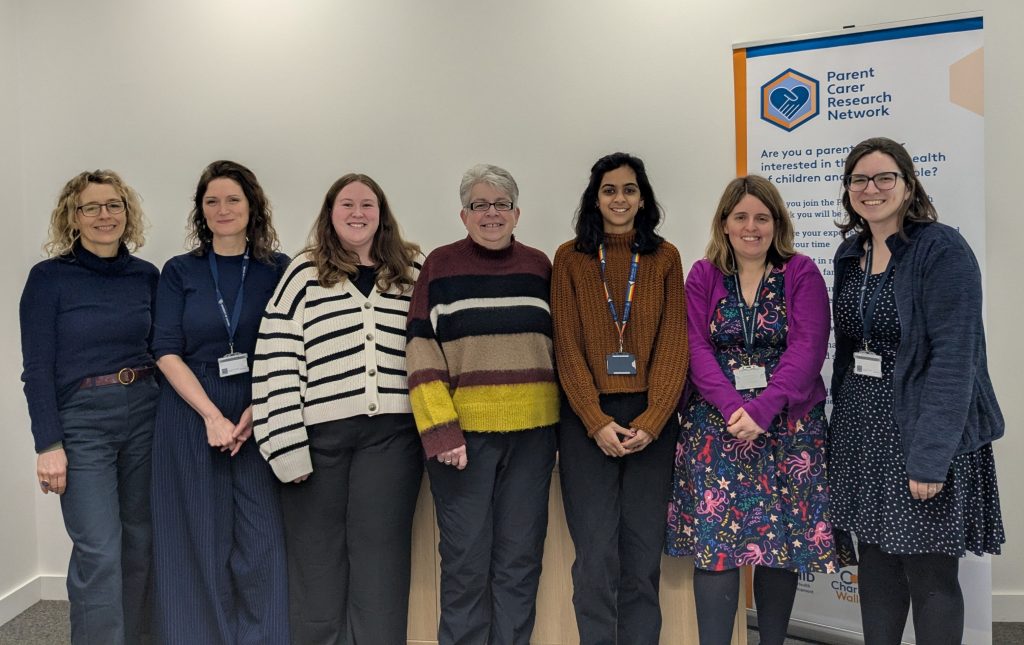
In February 2026, colleagues from both organisations met for an away day – to build connections, evaluate the network, and plan for its future. We also celebrated achievements from the first year of the network.
The team includes our co-facilitators Nikki Chapman (Parent Carer Lived Experience Lead for the Charlie Waller Trust) and Shanta Raj (Public and Patient Involvement and Engagement Facilitator for MHID), communications and project management colleagues from Charlie Waller and the University of Oxford, and a senior researcher. The team work really closely with a steering group of 7 parents and carers with lived experience of supporting a child with mental health difficulties, and discussions from the day reflect their priorities.
We are particularly pleased that the network will receive further funding from the new Oxford Centre for Emerging Minds Research. This grants another five years of funding and further potential to make an impact in research through growing the network.
Parent Carer engagement
We identified a key priority around reaching a wider audience of parents and carers. We discussed how to connect with groups under-represented in the network and research more generally, something which we found had different meanings to everyone at the table. Key groups identified were:
We discussed barriers and solutions to engaging these groups. For instance, we need to consider engagement methods carefully, and approach groups on an individual level – meeting people where they are at in their own communities is important. We discussed how to connect with people who can then offer us further community connections, such as Dads groups. Once in the network we need to provide resources and research opportunities in our newsletter that these groups would find relevant.
Parent Carer resources
We talked about breaking down preconceptions and barriers that parents and carers might have about participating in research. We are developing our website as we know this is the first point of call for parents and carers considering whether they would like to be involved. We are also co-creating “myth-busting” video interviews with members of our lived experience steering group, and a “Jargon Buster” of research terms to help parents and carers navigate the research world.
Engaging and equipping researchers
Another important focus is how we can more meaningfully engage researchers in the network. We discussed barriers researchers were facing to involving parents and carers in their research. For instance, how to balance the need to recognise and compensate contributions from parents and carers, with the current academic landscape where there is limited funding available to researchers, particularly those early in their careers.
We also talked about developing more resources, centred around lived experiences, for researchers to help them engage with parents and carers in a more meaningful, safe, and accessible way. By creating resources specifically for early career researchers, we hope they will then be better equipped for this throughout their careers and embed good practice in their own research teams in the future. Our Guide for Researchers is a great start to develop further resources from, including more engaging formats like videos.
Final thoughts
The overarching theme of the day was the importance of connections. We want to build meaningful relationships with parents and carers of children and young people who experience mental health problems. We know we need to meet people where they are and in ways which they find comfortable and convenient. We also want to engage with researchers to improve their understanding of how to work both sensitively and effectively with parents and carers who have lived experience, and to make sure the network is meeting their needs and addressing barriers to involvement. We will continue to work closely with our lived experience steering group and researchers to meet these aims.